
Why Movement at Work Matters More Than Ever
Written By Annalea DeLuca
Most office workers spend 70–80% of their day sitting, sitting may seem harmless, but research shows that prolonged inactivity is linked to poorer mental health outcomes, including depression, anxiety, stress, burnout, and reduced mental wellbeing.
Studies in working adults highlight how important daily movement, especially moderate to vigorous physical activity, is best to maintain good mental health in employees. One large study found that when daily movement dropped below 12 minutes per day, mental wellbeing scores fell below the threshold that indicates a healthy mood. Even more striking, the negative effects of losing movement were greater than the benefits of adding small amounts back later. In other words, keeping movement consistently in your day really matters.
This is especially important for working adults, who already faced stressors such as long hours, workload pressure, and job strain. Mental health at work isn’t just about reducing distress—it’s also about building positive states, like work engagement. Engaged employees feel energized, fulfilled, and motivated, which is linked to better job performance, physical health, and life satisfaction.
The World Health Organization predicts that depression will be the leading cause of disease burden by 2030. Already, mental health issues cost employers billions each year due to absenteeism, presenteeism, and workplace claims. Meanwhile, simple habits like walking more- the classic 10,000 steps per day really is the golden formula associated with better physical and mental health.
Movement and wellness are not “nice‑to‑have” perks. They’re essential investments. Light activity improves focus and creativity, regular breaks boost energy and productivity, and movement reduces stress and injury risk. Organizations that support wellness also see higher morale, stronger retention, and lower health‑related costs.
Simple Ways to Get Started
Walking meetings to boost engagement
Short “booster breaks” for stretching or movement
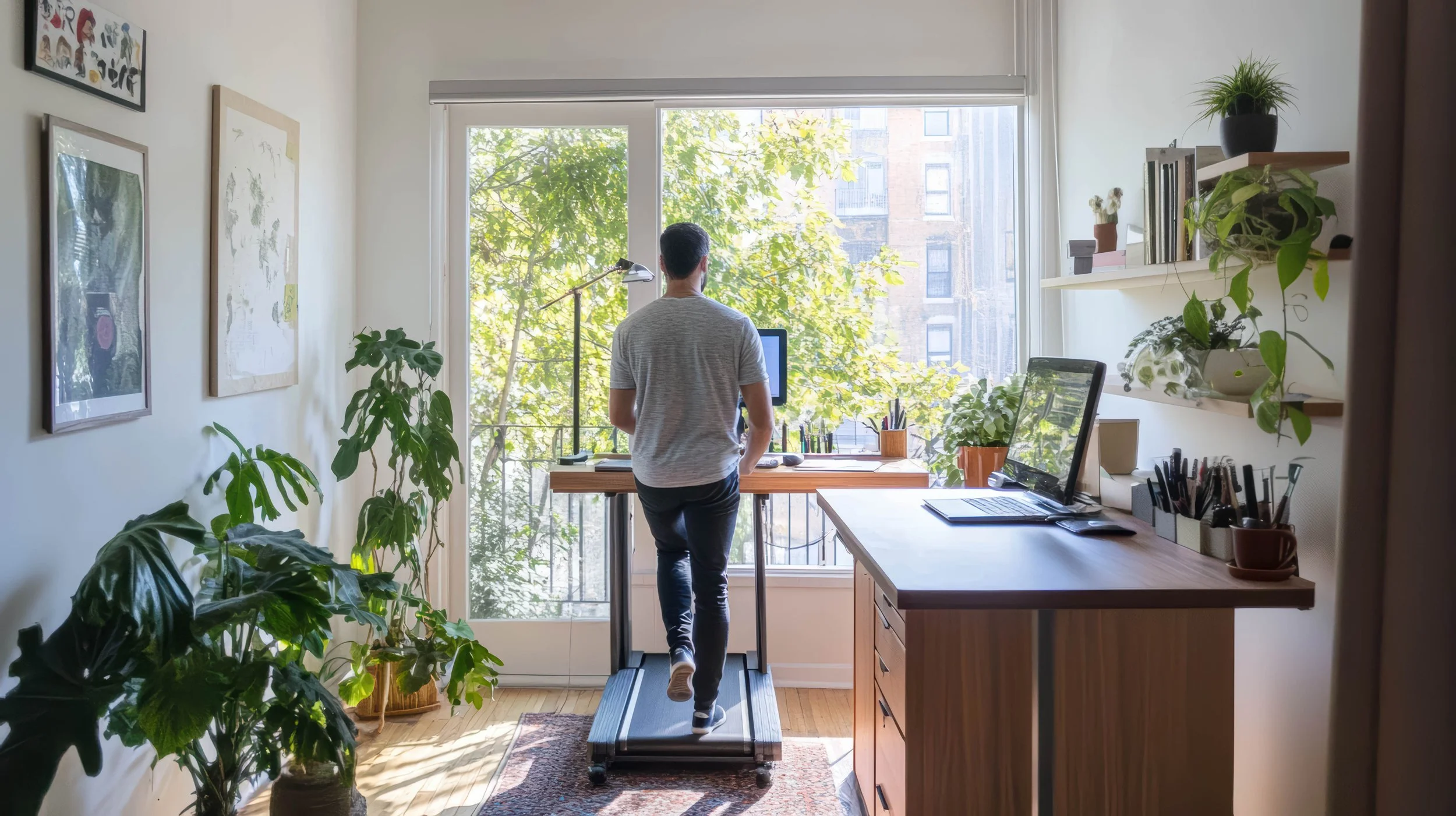
Sit‑stand desks or flexible workspaces
Encouraging active commuting where possible
When employees move more, everyone benefits—healthier people, stronger performance, and a more resilient workplace culture.
Annalea De Luca was born and raised in the heart of Silicon Valley. She has a BS in Kinesiology from San José State University with an emphasis in Rehabilitative Science. Before SJSU, Annalea attended De Anza College, where she worked at a physical therapy clinic, gaining experience in body mechanics and aquatic therapy. Annalea enjoys being active; she can be found hiking or weightlifting in her spare time. Currently, Annalea holds a National Academy of Sports Medicine Personal Training Certification, is working towards a nutrition certification, and is well-versed in strength training, core conditioning, corrective exercise, and flexibility training for all age groups.